A Letter About Love, Time, and the Moments We Still Have
Dear Mom september 1 2026 happy birthday
Today, you are 87 years old.
87 years of living. 87 years of memories. 87 years of seeing the world change, watching children grow, welcoming grandchildren, great grandchildren, and even great, great, grandchildren.
Weathering difficult seasons, laughter, praying, giving, sacrificing, all the while becoming the woman we simply call, Mama.
And today, I just want to say: Happy Birthday.
Not casually. Not simply because the calendar says this is the day we are supposed to say it.
For most of our lives, you’ve just been there. There to call. There to ask. There to visit.
There to tell us something we’ve probably hadn’t heard before.
There to remember things we’ve forgotten. Trying to talk you out of worry.
Here to still see her grown children as her children, no matter how old we become.
And perhaps that’s one of the gifts of getting older ourselves, we begin to recognize the value of things that once seemed as though they would always be there.
Our Family Has Learned Something About Time
For 65 years, you and Dad shared a life together.
Sixty-five years.
That’s so much more than a number.
It’s morning conversations and evening routines. Children and family decisions. Church, celebrations, disagreements, personal jokes and family stories.
Holidays and ordinary Tuesdays. It’s building a life together and growing older side by side.
Two years ago, that life changed in a way none of us fully understood the magnitude of.
I know these past two years have required a different kind of strength from you, Mama. There are parts of that journey only you can truly understand.
But through it all, something beautiful remains.
Sixty-five years together just doesn’t simply disappear, they’re woven into our family.
They’re in the stories we tell, the memories that still make us laugh, the traditions we carry forward, and in all of us who had the privilege of calling him Dad.
And here you are.
Still loving.
Still laughing.
Still Mama.
At 87, you’re proving that even when life changes, there is still life to be lived, people to love, laughter to share, and new memories waiting to be made.
I Want to Say It Now…
There’s something I’ve come to understand as I’ve gotten older.
We shouldn’t save our finest words about people for someday, we need to say them now.
Tell the stories now.
Say thank you now.
Laugh together now.
Tell people what they mean to us while we’re sitting across the table from them.
So, Mom, I want you to know:
You matter.
Your life matters.
Your sacrifices mattered.
The meals mattered.
The prayers mattered.
The worrying mattered, even though we couldn’t stop you from worrying.
The things you taught us as children mattered.
Even some of the things we didn’t appreciate when we were younger make considerably more sense now!
And the older we become, the more we discover pieces of our parents living inside of us.
A phrase.
A habit.
A value.
A recipe.
A way of handling trouble.
That’s a part of family, I guess.
With you at 87, I Don’t Want More Things. I’d Prefer More Moments
None of us knows how many days we are given, this isn’t something to be sad about.
Maybe it’s something to become more aware of.
Because this birthday isn’t about counting time.
It’s about appreciating it.
I want more conversations.
More laughter.
More sitting around doing absolutely nothing important.
More asking questions about your life.
More hearing the stories.
More pictures.
More meals.
More “remember when?”
More “I love you.”
More hugs that aren’t rushed.
More moments when nobody is staring at a phone.
More opportunities to simply be together.
Because I’m learning that some of life’s greatest moments don’t announce themselves as great moments.
They just look ordinary while they’re happening.
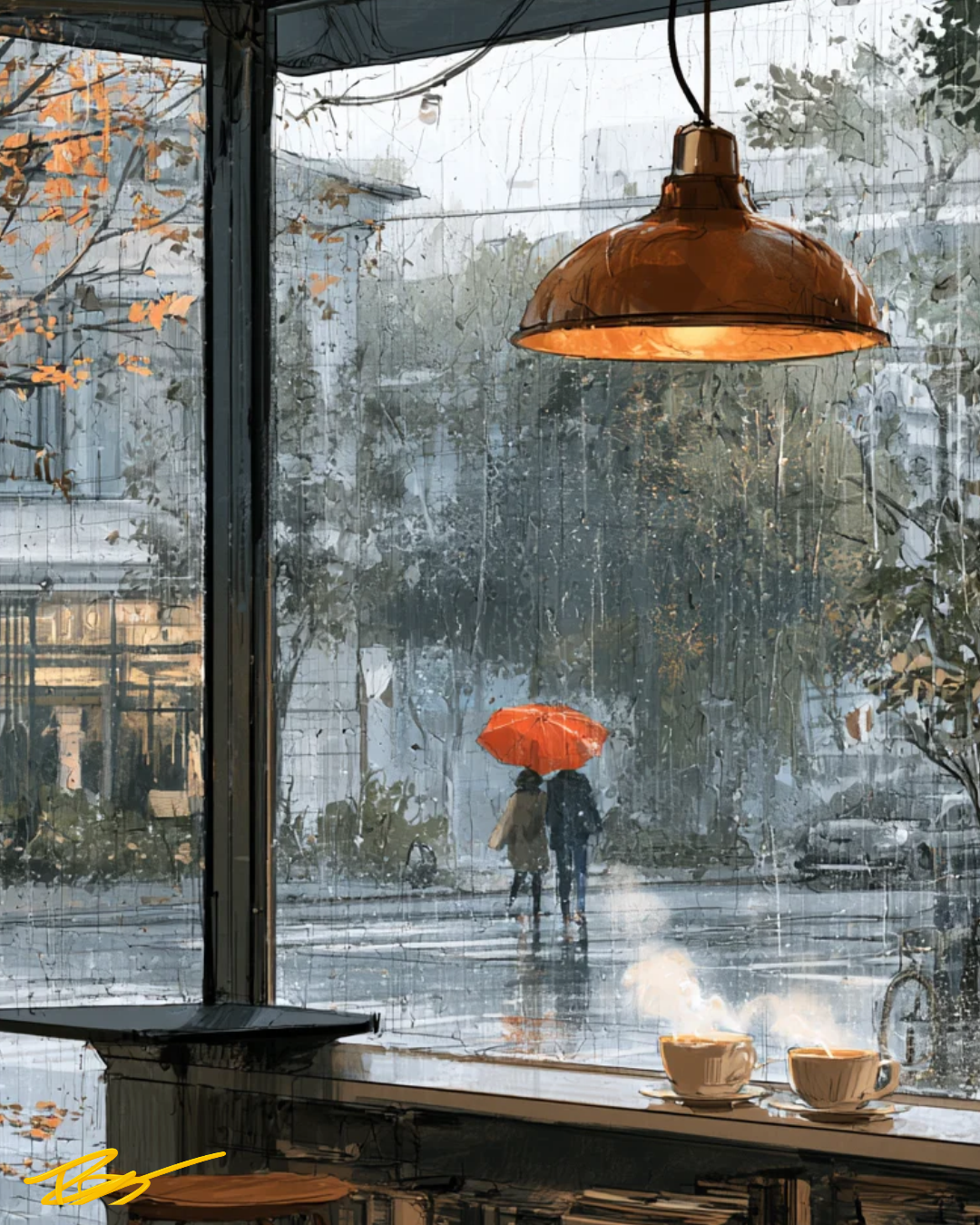
A cup of coffee.
A familiar story.
Hearing someone laughing in the kitchen.
A family sitting around a table.
A phone call you almost didn’t make.
And somewhere along the way, you realize:
That was the good stuff.
And for Those Reading This Who Carry Their Parents in Their Hearts
I also know that a letter like this may land differently for different people.
Some are fortunate enough to celebrate a parent today.
Others carry Mom or Dad in memory.
So perhaps this birthday letter can be about both.
If your parents are still here, enjoy them when and however you can.
And if they aren’t, honor what remains.
Say their names.
Tell their stories.
Cook something they used to make.
Play their favorite song.
Repeat the funny sayings your family will never forget.
Pass one of their lessons along to your children or grandchildren.
Look at an old photograph and smile at the fact that your lives were connected.
Because a parent’s influence has a remarkable way of continuing.
It appears in our values.
Our traditions.
Our sense of humor.
The way we raise our children.
The things we say without realizing where we first heard them.
Love leaves fingerprints.
And some of them never fade.
For Those Whose Parents Are Still Here
Call them.
Visit when you can.
Ask another question.
Take the picture.
Listen to the story again.
Don’t make every interaction about solving a problem.
Sometimes… just sit together.
We spend so much of our lives chasing important things only to discover that some of the most important things were sitting across the table from us.
Scripture says:
“So teach us to number our days, that we may gain a heart of wisdom.” Psalm 90:12
I’ve always loved the wisdom in that.
Numbering our days doesn’t have to mean worrying about how many remain.
Maybe it simply means becoming wise enough to appreciate this one.
Today is here.
Mom is here.
We are here.
And that’s worth celebrating.
So, Ma,…
On your 87th birthday, I don’t want to make this complicated.
I just want to give you your flowers while you can smell them.
I want you to hear the applause while you’re here to enjoy it.
I want you to know that your life hasn’t merely filled 87 years on a calendar.
Your life has filled our lives.
And after 87 years, after raising a family, after sharing 65 remarkable years with Dad, after seeing generations come behind you, you are still writing your story.
So we’re not counting chapters today.
We’re celebrating this one.
There are conversations still to have.
Laughter still to share.
Memories still to make.
Stories still to tell.
Love still to give.
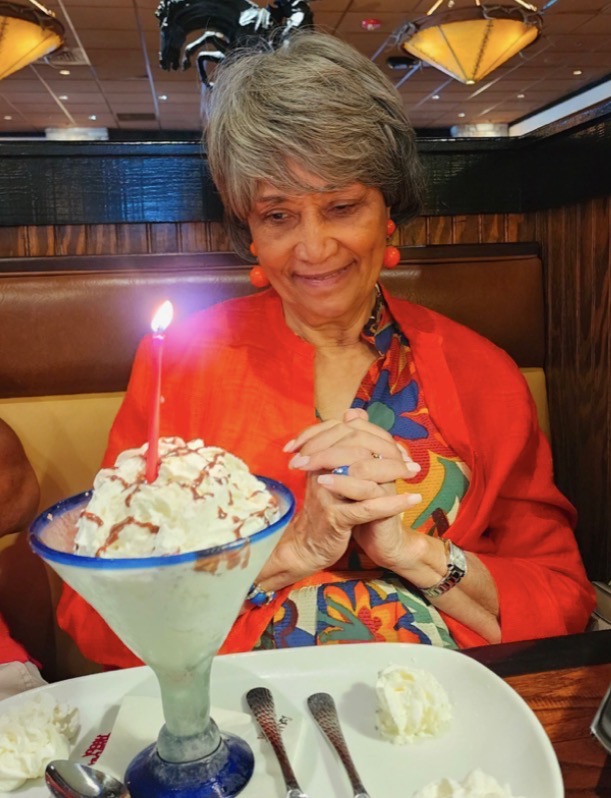
And today, if there is cake to eat it, you’ve earned the right to enjoy it without any discussions about calories!
Happy 87th Birthday, Mom.
Thank you for yesterday.
Thank you for today.
And for every tomorrow God graciously gives us, may we have the wisdom not merely to have it….but to notice it.
To be present in it.
To laugh in it.
To love one another through it.
And to never become so busy looking for life’s big moments that we miss the beautiful little ones happening right in front of us.
We love you, Mama.
And today, we’re simply grateful that we get to say it and you can hear it.
Happy Birthday Ma,
With all my love,
Your Son, Kelvin
anablepsis